

Digital Transformation for Logistics Operations
Software for transport, warehouse and supply chain teams, connected to your WMS, TMS and ERP systems.
Common Problems in Logistics Operations
The issues clients most often bring to us before a first phase.
Fleet Visibility
Limited insight into vehicle status, routes and delivery progress.
Warehouse Processes
Manual picking, packing and counting create bottlenecks and errors.
Inventory Visibility
Stock levels and locations are unclear across sites and distribution centers.
Customer Expectations
Customers expect tracking and fast updates that manual processes cannot provide.
Disruptions
Delays and route changes need a fast response with current information.
Disconnected Systems
WMS, TMS and ERP systems that do not give one view of operations.
Digitize, Optimize, Predict
Three phases, each useful on its own. Most clients start with one operational process and expand from there.
Phase 1
Digitize
Replace paper forms and disconnected tools with one platform that captures operational data where the work happens.
What We Do
- Field and plant applicationsWeb and mobile apps to capture data, receive instructions and report issues
- System integrationConnect ERP, SCADA and legacy systems without disrupting operations
- Data foundationOne reliable source for operational data
Phase 2
Optimize
Use the data from phase one to find bottlenecks, connect workflows across teams and simplify the systems behind them.
What We Do
- Process improvementFind and remove redundant steps and manual handoffs
- Cross-team workflowsRoute work between departments and systems automatically
- Simpler IT landscapeConsolidate overlapping tools into a maintainable platform
Phase 3
Predict
Add forecasting and anomaly detection on top of connected data, scoped to clear business cases such as maintenance planning.
What We Do
- Predictive analyticsModels that flag equipment, maintenance and operational risks early
- Planned maintenanceMove from reactive repairs to scheduled work based on condition data
- Anomaly detectionAlerts on unusual patterns before they become incidents
From Discovery to Production
Four stages. Each one ends with something your team can review before the next begins.
-
Step 01
Assessment
We review your workflows, systems and pain points with your team and agree on a roadmap tied to business goals.
Deliverables
- Current state review
- Requirements
- Process maps
- Roadmap
-
Step 02
Solution Design
We design the architecture and screens with the people who will use them, and write the delivery plan.
Deliverables
- System architecture
- Technical specifications
- Screen designs
- Delivery plan
-
Step 03
Development and Testing
We build in short iterations with regular demos and test each release before it reaches production.
Deliverables
- Application releases
- Integrations
- Test records
- Security review
-
Step 04
Deployment and Training
We release in phases around your operations and train the people who use and run the system.
Deliverables
- Production release
- User training
- Administrator guide
- Support documentation
Applications, Platforms and Integrations
Custom software where it fits, established platforms where they are faster, connected to the systems you already run.
Custom Applications
Web and mobile applications built for a specific operational process.


Low-Code Platforms
Mendix applications for faster delivery with enterprise governance.

System Integration
Connect sensors, ERP and CRM systems so data moves without re-entry.



Cloud Infrastructure
Secure cloud deployment with monitoring, backups and disaster recovery.


Where We Work in Logistics
Applications we build for each part of the supply chain.
Transport and Freight
Fleet, dispatch and freight tracking for carriers and shippers.
- Fleet management
- Dispatch
- Freight tracking
Warehousing and Distribution
Receiving, picking and inventory workflows for distribution centers.
- Receiving
- Picking and packing
- Cycle counts
Last-Mile Delivery
Delivery routing, proof of delivery and customer updates.
- Route planning
- Proof of delivery
- Returns
Global Supply Chain
Shipment visibility and documentation for international operations.
- Shipment tracking
- Customs documents
- Multi-modal transport
A Framework for Field and Plant Teams
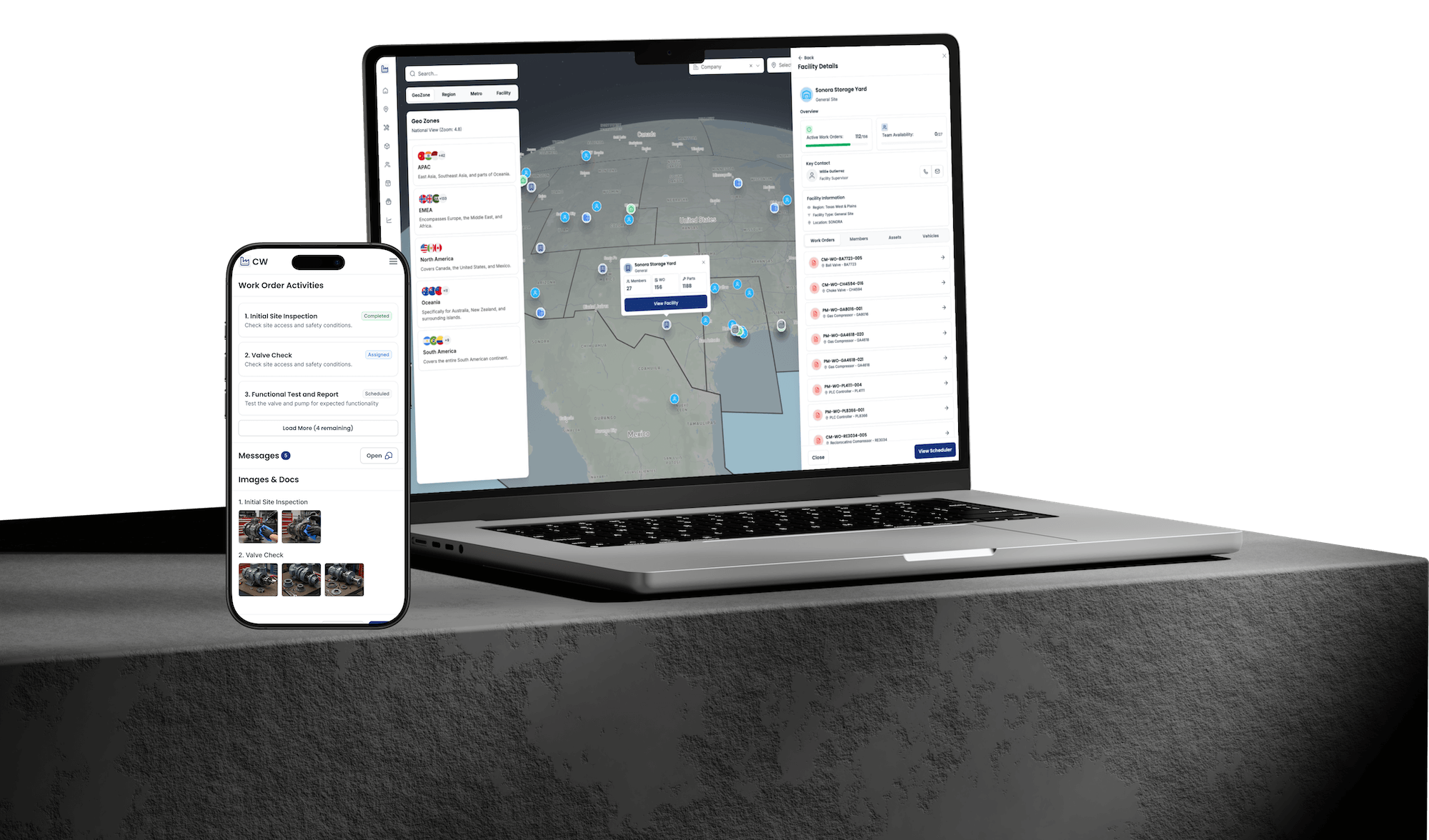
Our Connected Worker framework gives frontline teams digital work orders, procedures and reporting, connected to your enterprise systems.
- Incident and inspection reporting
- Digital work instructions and procedures
- Equipment data and alerts
- Before
- Paper reports, delayed responses, information stuck with individuals
- After
- Digital reports, alerts routed to the right people, shared context
Common Questions about Digital Transformation
How we run digital transformation projects.
Contact our teamWe work in phases. The first phase covers one process or site and is scoped during discovery, so timelines depend on the systems and teams involved.
No. We integrate with the systems you already run and replace them only when there is a clear reason to.
SAP, Oracle, Salesforce, Microsoft systems and analytics platforms such as Power BI and Snowflake, among others.
We involve the people who do the work from discovery onward, roll out in phases and provide training and documentation for users and administrators.
We capture clean, structured data from the field and plant and connect it to your systems, which is the base any AI use case needs.
Yes. Field crews and office teams work from the same data, tasks and alerts, wherever they are.
Yes. We build in structured data capture, timestamped records and approval steps, so audit reports come from the system.
Most of our work is in oil and gas, manufacturing and logistics, where field and plant operations depend on reliable data.
Discuss Your Logistics Operations with Our Team
Tell us which processes slow your teams down. We will review them and propose a practical first phase.
-
01Discovery
We review your processes, systems and objectives.
-
02Proposal
Defined scope, timeline and investment for phase one.
-
03Delivery
A production release, with a roadmap to scale.